

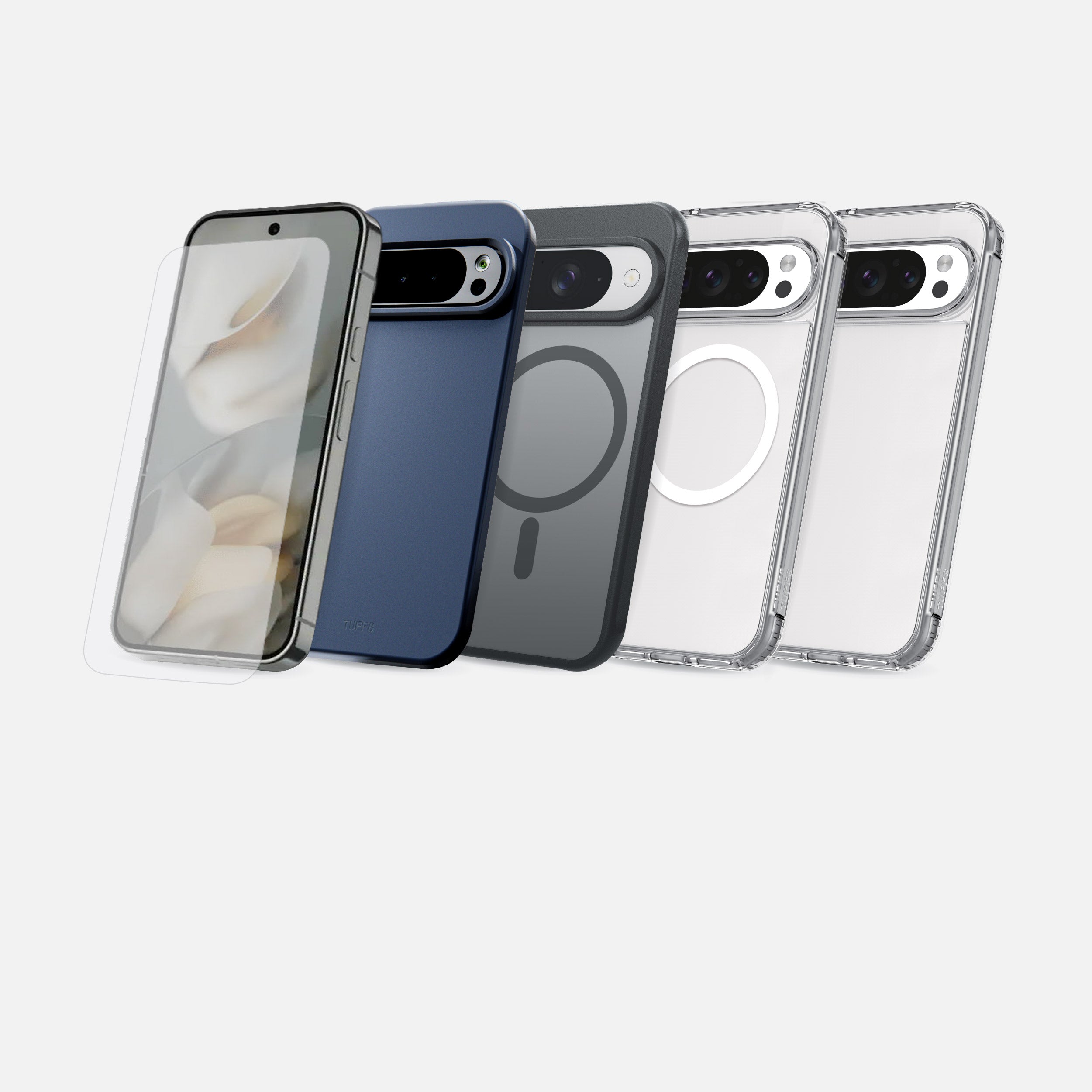
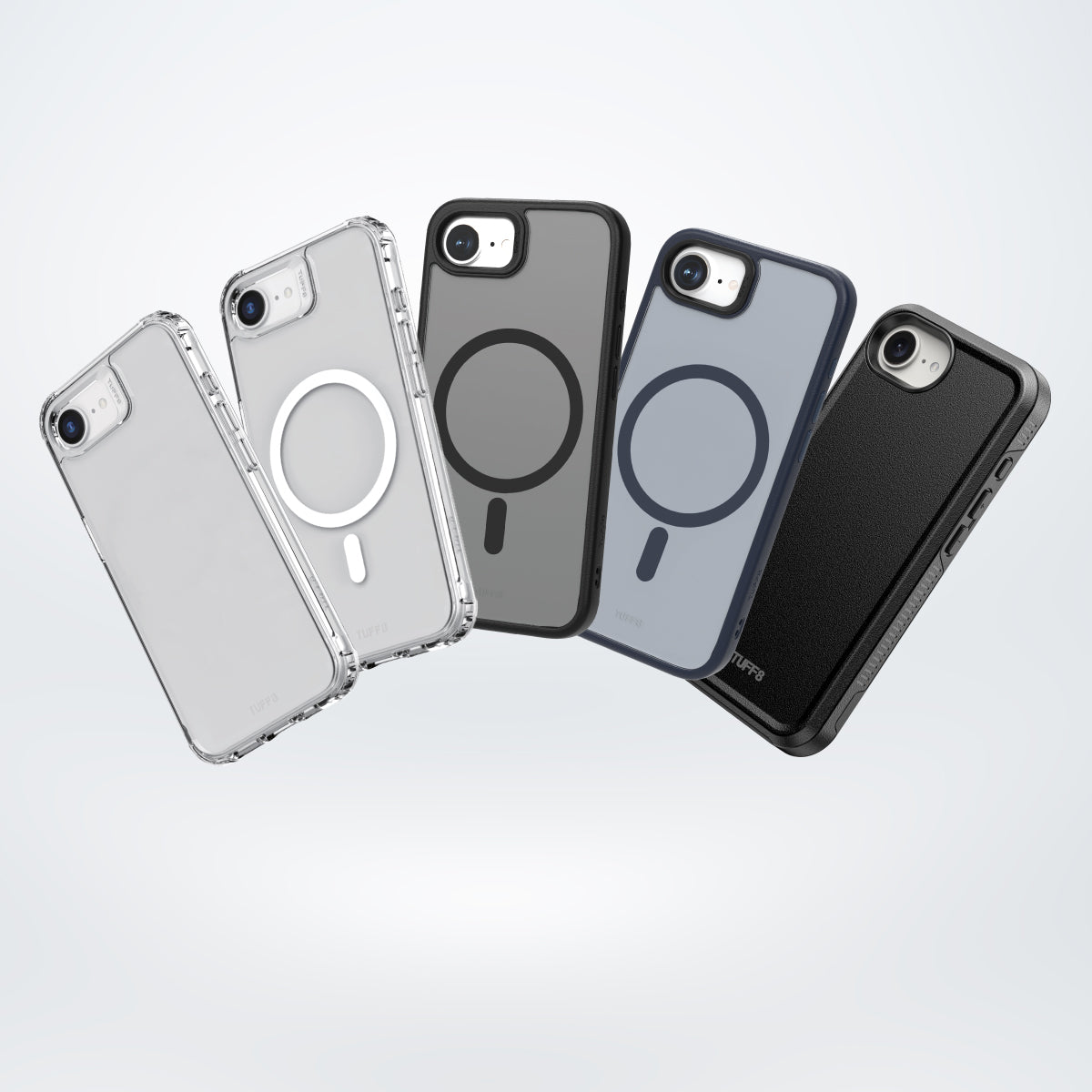


A phone case and a screen protector solve different problems. A case absorbs impact and protects the body of your phone — but the screen itself remains exposed to scratches, direct drops face-down, and micro-abrasions from everyday use. If your phone has a cracked or scratched screen, it almost certainly wasn't wearing a screen protector. Using both together is the only way to protect the full device.
Most people assume that once they've bought a good case, they're covered. It's a reasonable assumption — a rugged case wraps the entire phone, raises the edges above the screen, and can absorb serious drops. So why would you need anything else?
The answer comes down to what a case actually protects versus what it doesn't. A case and a screen protector aren't redundant. They defend against completely different types of damage. Understanding the difference between them can save you a costly screen repair — or worse, an early replacement.
What a Phone Case Actually Protects
A quality phone case does a lot of important work. The raised edges (called "lip protection") keep the screen from making direct contact with flat surfaces when the phone lands face-down. The side rails and bumpers absorb impact energy during a drop. The back panel prevents scratches, scuffs, and cracks to the rear glass or body.
Where a case falls short is direct contact with the screen itself. The screen still touches your pocket, your keys, your desk, your bag. The raised edge reduces the risk of a face-down drop, but it doesn't eliminate it — and it does nothing to prevent the fine, daily scratches that build up on unprotected glass over time.
A case protects around the screen. A screen protector protects the screen.
What a Screen Protector Actually Does
A tempered glass screen protector is a thin layer of hardened glass — typically rated at 9H hardness — bonded to the surface of your display. It sits between your phone's screen and whatever it comes into contact with throughout the day.
There are three main things it protects against:
Scratches from everyday use. Keys, coins, sand particles, and other objects in your pocket or bag are harder than most phone glass. A 9H tempered glass protector absorbs those micro-abrasions so the actual screen doesn't.
Direct impact on the screen surface. When a phone drops face-down, the screen takes the force directly. A tempered glass protector is designed to absorb and distribute that impact — and in many cases, the protector will crack while the screen underneath stays intact. It's doing exactly what it's supposed to do.
Privacy and glare. Beyond protection, privacy glass screen protectors prevent side-angle viewing — useful in public spaces, on planes, or anywhere you're handling sensitive information. This is a function no case can replicate.
The Damage a Case Can't Prevent
The most common type of phone screen damage isn't from a single catastrophic drop. It's from repeated, low-level contact: a coin in the same pocket, a sandy surface, a face-down slide across a countertop. This accumulated wear doesn't crack the screen all at once — it creates tiny scratches that gradually dull the display surface, affect touch sensitivity, and reduce resale value.
A case offers zero protection against any of this. The screen is always exposed.
The second most common cause is a direct face-down drop. Even with excellent lip protection, there's no guarantee the raised edge will absorb every angle of impact — especially on an uneven or hard surface like asphalt or tile. A screen protector adds a physical sacrificial layer that takes the force instead of the actual display glass.
When You Especially Need Both
Some situations make the combination of a case and screen protector more important, not less:
You use your phone in active or outdoor environments. Dust, grit, and sand are among the most damaging things to unprotected glass. If your phone comes with you on hikes, to the beach, on job sites, or to the gym, the screen accumulates damage fast without protection.
You have an expensive device. The iPhone 17 Pro Max retails above $1,500. The Samsung Galaxy S26 Ultra is comparable. Screen repairs on flagship phones can cost $300–$500 or more — often not covered by standard warranty. A screen protector that costs under $60 and absorbs a cracked screen impact is one of the highest-ROI protection decisions you can make.
You keep phones for two years or more. Screen clarity, touch response, and resale value all degrade faster on an unprotected screen. If you hold onto devices, a screen protector pays for itself.
You want privacy in public. If you regularly check sensitive information — banking apps, messages, work emails — in public spaces, a privacy glass screen protector prevents shoulder-surfing without requiring you to dim your display.
Choosing the Right Screen Protector
Not all screen protectors are equal. Here's what to look for:
Tempered Glass vs. Liquid Glass. Tempered glass protectors are rigid, sit on top of the display, and are the most common and most effective format for impact and scratch protection. Liquid glass is a nano-coating applied directly to the surface — it adds a degree of scratch resistance and is nearly invisible, but offers less protection against direct impact than tempered glass.
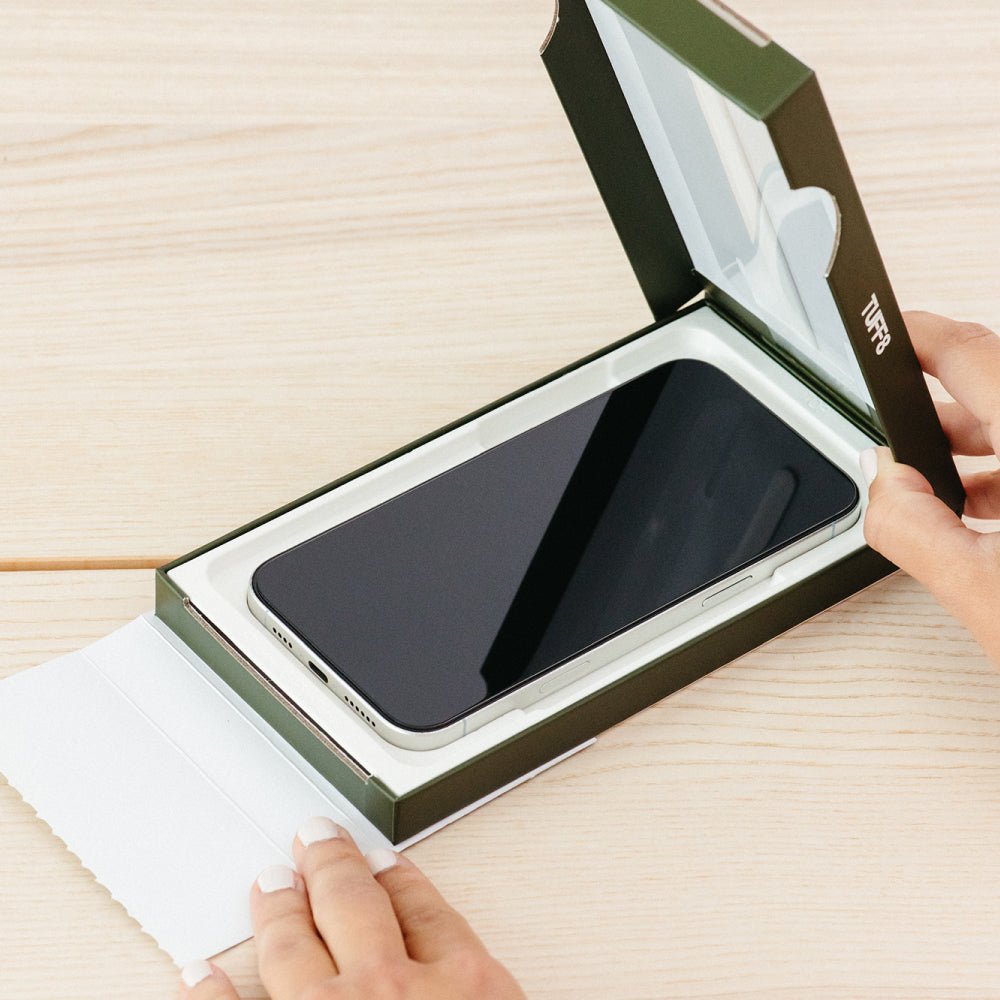
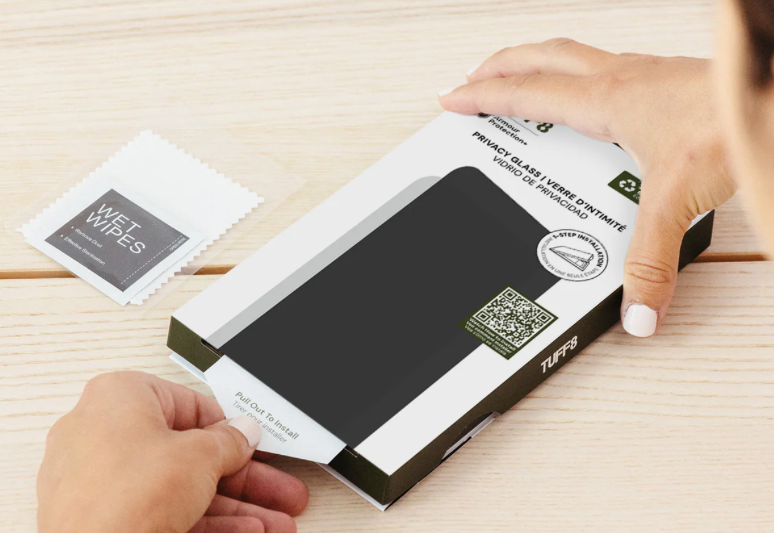
With or Without an Auto Installer. Alignment is one of the most common issues when applying a screen protector. TUFF8's Tempered Glass with Auto Installer includes a mounting frame that positions the protector perfectly before application — no bubbles, no misalignment, no second-guessing.
Standard vs. Privacy Glass. Privacy glass protectors reduce the viewing angle so only the person directly in front of the screen can see it clearly. Visibility from the side is blocked. If privacy matters to you, this format handles both protection and discretion in one.
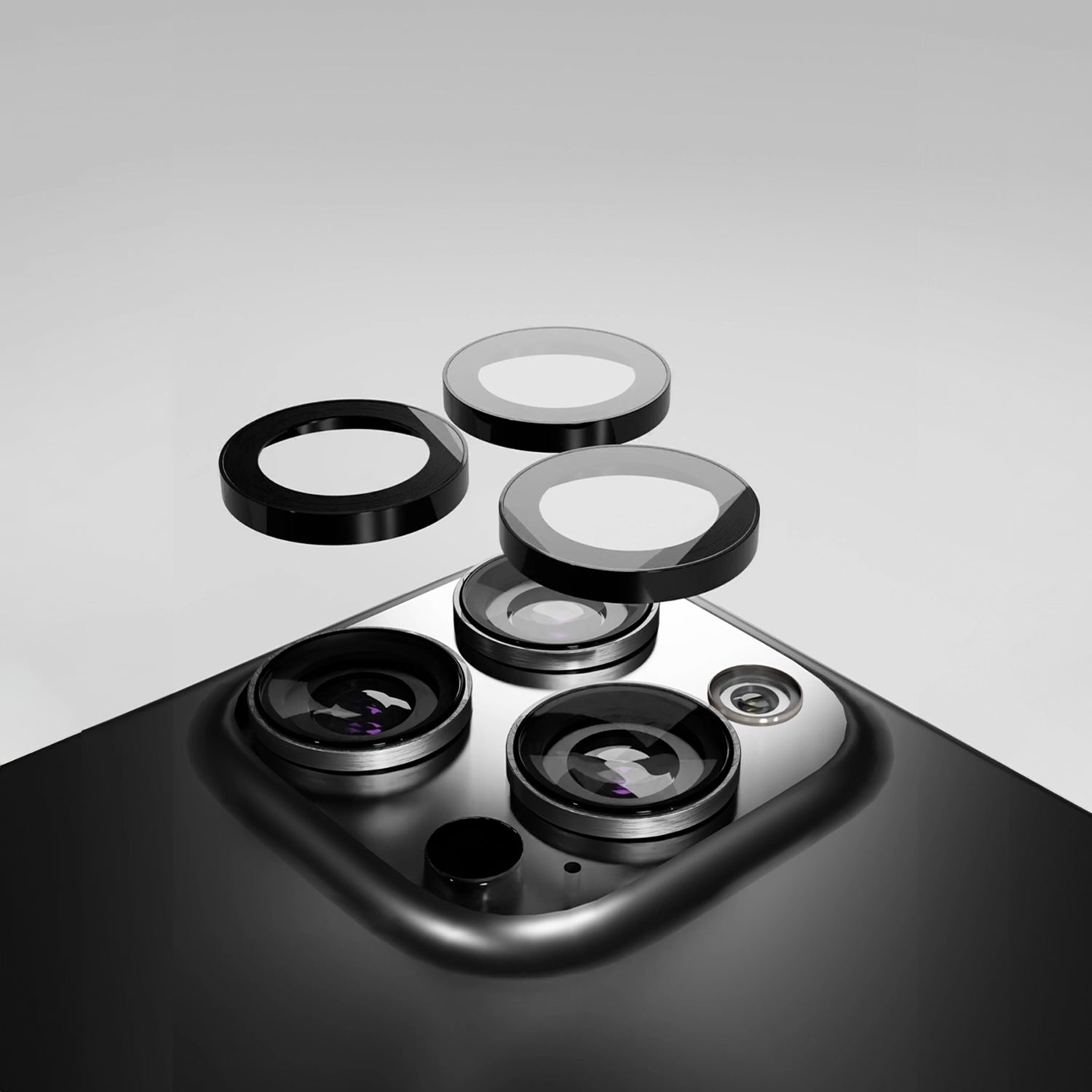
Camera Protection. The rear camera lenses on modern phones — especially the large multi-lens arrays on iPhone 17 Pro and Samsung S26 Ultra — are just as vulnerable to scratches as the front screen. Camera lens protectors are tempered glass shields sized for each lens module, designed to preserve optical clarity while preventing scratches.
Do They Work Together?
Yes — and they're designed to. A properly fitted screen protector sits flush inside the raised edge of a protective case. The case continues to handle impact absorption and body protection; the screen protector handles the display surface. There's no interference between them when both are fitted correctly for the same device model.
TUFF8 cases and screen protectors are designed to be used together. The raised lip on the Impact and Impact Plus cases provides additional clearance above the screen protector surface, not just the screen glass — so the protector stays in place and doesn't contact flat surfaces during drops.
If you want the full setup in one purchase, TUFF8 bundles pair compatible cases and screen protectors for specific device models so you don't have to cross-reference fit.
The Short Answer
A good case is not a screen protector. It protects around and behind your phone — not the surface you're touching and looking at hundreds of times a day. A screen protector closes that gap.
If your phone is worth protecting, it's worth protecting completely. Browse TUFF8 screen protectors for your device, or explore protection bundles that include both.
Frequently Asked Questions
Does a phone case protect the screen? A phone case protects the sides and back of your phone and raises the edges above the screen to reduce face-down drop risk. It does not protect the screen surface from scratches, dust abrasion, or direct impact. A screen protector is needed for that.
What does a screen protector protect against? A tempered glass screen protector guards against scratches from everyday contact (keys, coins, sand), direct face-down impact, and general surface wear. Privacy glass variants also prevent side-angle viewing.
Can I use a screen protector and a case at the same time? Yes. They're designed to work together. A properly fitted screen protector sits inside the raised edge of your case without affecting case fit or protection performance.
What's the difference between tempered glass and liquid glass screen protectors? Tempered glass protectors are rigid and sit on the surface of the display, offering strong scratch and impact protection. Liquid glass is a nano-coating applied directly to the screen that adds light scratch resistance with no visible layer — but it provides less impact protection than tempered glass.
What is an auto installer screen protector? An auto installer is a mounting frame that aligns the screen protector precisely before you press it down. It eliminates the most common application problems — misalignment and air bubbles — and is especially helpful for larger phone models.
Do I need a camera lens protector too? Camera lenses are exposed glass, just like your screen, and are vulnerable to the same scratches. If you use your camera frequently or keep your phone face-up on surfaces, a camera lens protector is worth adding alongside your screen protector.
Is a screen protector worth it if my phone has Ceramic Shield or Gorilla Glass? Yes. Ceramic Shield and Gorilla Glass improve drop and crack resistance compared to standard glass, but they are still susceptible to scratches from harder materials like sand, grit, and certain metals. A screen protector adds a sacrificial layer on top that preserves the original glass underneath.


Leave a comment
This site is protected by hCaptcha and the hCaptcha Privacy Policy and Terms of Service apply.